2026-08-20 ·
How to Prepare St. Charles Homes for Winter Power Outages
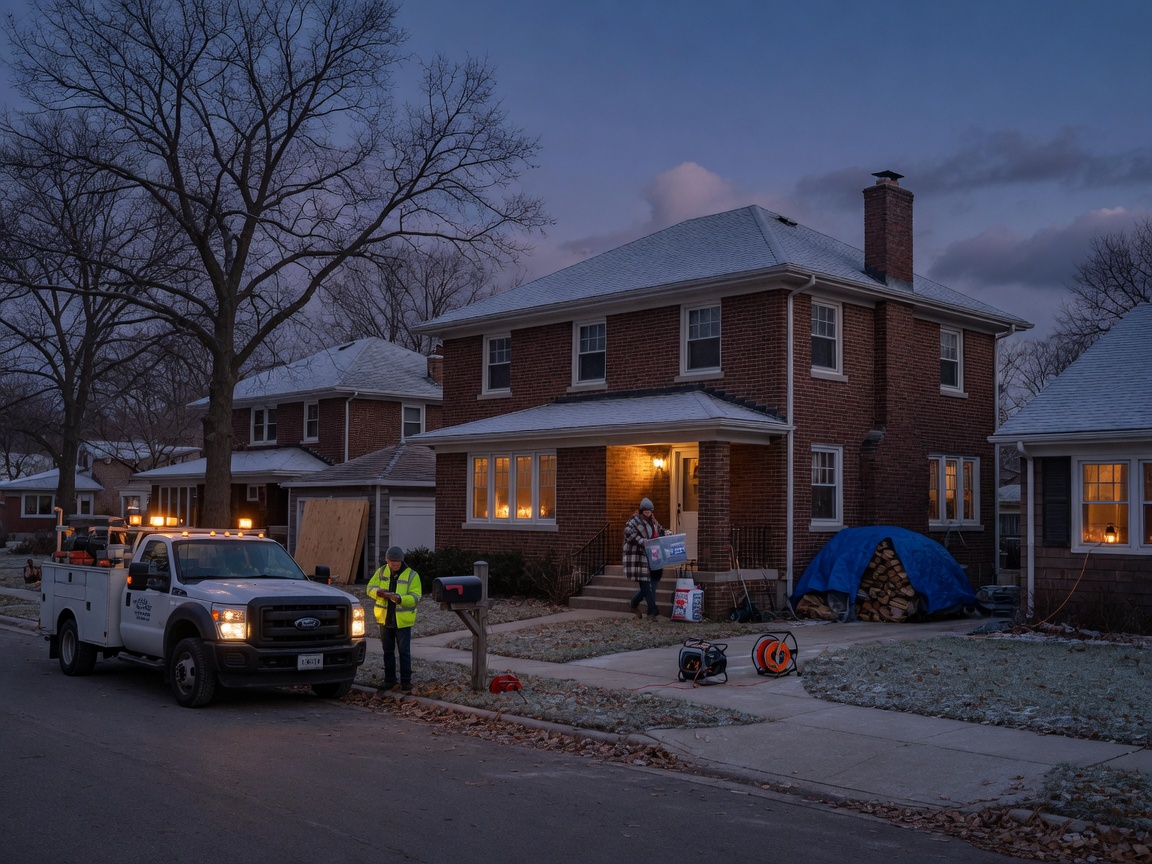
St. Charles homes face frequent winter outages from ice-laden tree limbs and high winds. Start by inspecting your main electrical panel for capacity to handle critical loads, then add a portable or standby generator sized for your needs, and keep a 72-hour supply of batteries, flashlights, and non-perishable food on hand. These steps reduce risks during multi-day outages common after December storms.
Check Your Electrical Panel First
Older homes in St. Charles neighborhoods like the historic district near the Fox River often have 100-amp panels that struggle with modern demands. Walk through each room and list appliances you must keep running, such as the furnace blower, refrigerator, and a few lights. Add up the wattage to determine if your panel needs an upgrade before installing any backup power. Homeowners in Kane County report that panels installed before 1980 frequently trip during cold-weather restarts. Schedule a visit from Ideal Electrical Contractors, Inc. at 3540 Stern Ave unit 1a during our Mon–Fri 7am–5pm or Sat 9am–2pm hours to test breakers and label circuits. This inspection prevents overloads when power returns after an outage.
Choose the Right Generator for Local Conditions
Generator installation provides seamless backup when ComEd lines fail after heavy snow. A 7,000–10,000 watt portable unit covers essentials in most St. Charles ranch homes, while whole-house standby models rated 16–22 kW handle larger two-story properties common along Route 64. Factor in the cost of a transfer switch and concrete pad for permanent units. Read the detailed breakdown in our guide on Cost Factors for Whole-Home Generator Installation in St. Charles before purchasing. Place the unit at least five feet from windows to avoid carbon monoxide buildup during extended runs in sub-zero temperatures.
Stock Supplies and Test Equipment Annually
Keep 20 gallons of fresh gasoline treated with stabilizer for portable generators, plus extra extension cords rated for outdoor use. Test your furnace’s 120-volt circuit and sump pump backup battery every October before the first freeze. St. Charles residents near the river bottom often deal with sump failures during outages that coincide with snowmelt. Replace smoke and carbon monoxide detectors every 10 years and stock at least six 9-volt batteries. These simple checks keep systems running when temperatures drop below 20 degrees for several days.
Plan for Panel Upgrades and Load Management
Many St. Charles homes built in the 1960s and 1970s require electrical panel upgrades to safely connect generators without risking fire. A 200-amp service allows separate circuits for heating and refrigeration while shedding non-essential loads. Map your panel now so you can flip breakers quickly during an outage. This preparation proves especially useful in neighborhoods like Fox Mill where larger families run multiple appliances simultaneously once power returns.